

Arthroscopy is a minimally invasive treatment method applied to many joints, including the knee, shoulder, elbow, ankle, wrist, big toe, and thumb, requiring only small surgical intervention.
Arthroscopy allows the examination and treatment of joint structures through two or three small incisions using a special camera and surgical instruments, without the need for large cuts on the joint surface. In traditional open surgery, the joint is fully opened, which may prolong recovery time, restrict joint mobility, and increase the risk of infection and other complications.
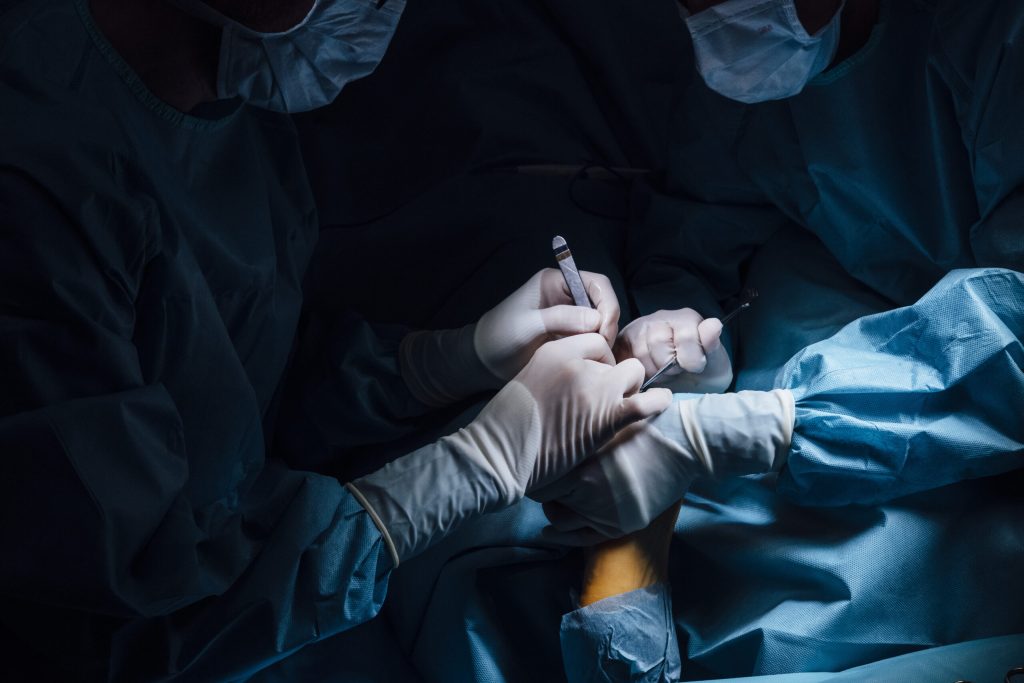
In arthroscopic surgery, the joint is accessed through small incisions, allowing clear visualization of structures such as cartilage, ligaments, and meniscus. Depending on the condition, repair, reconstruction, or removal of damaged tissue can be performed during the same procedure. This shortens the recovery period, reduces pain more quickly, and helps patients return to daily life sooner.
Over the past thirty years, arthroscopy has become one of the most commonly performed and preferred surgical methods in orthopedics. With advances in technology and surgical techniques, arthroscopic procedures have become more precise, safe, and effective.
For patients, arthroscopy offers significant advantages: it is less invasive, requires shorter hospital stays, leaves smaller scars, and enables faster rehabilitation. With the expertise of Assoc. Prof. Dr. Ata Can, patients benefit from the most up-to-date and effective arthroscopic treatments available.
In Which Cases Is Arthroscopy Performed on the Knee Joint?
-
In the treatment of meniscus tears
-
For cartilage transplantation
-
In cases of joint inflammation
-
For the treatment of fractures inside the joint
-
To release tightened ligaments
-
To repair damage to the joint cartilage
-
In recurrent shoulder dislocations
-
In cases of joint infection or swelling in the knee
-
For injuries of the anterior and posterior cruciate ligaments
-
To address movement restrictions caused by trauma
-
For diseases related to the synovial tissue
After knee arthroscopy, some possible complications may include high fever, prolonged pain, discharge from the wound, excessive swelling around the surgical area, and redness or warmth in the knee region.
Conditions Commonly Associated with Arthroscopy Disorders observed alongside arthroscopy are usually related to structural damage or problems within the joint. Especially in arthroscopic examinations and treatments of the knee, shoulder, and elbow, the following conditions are frequently encountered:
-
Meniscus tears (knee)
-
Cartilage damage and degeneration
-
Ligament injuries (anterior cruciate ligament, collateral ligaments)
-
Intra-articular loose bodies (fracture fragments, bone or cartilage pieces)
-
Synovitis (joint inflammation)
-
Tendon problems (especially in the shoulder)
-
Labral tears (shoulder and hip)
-
Signs of osteoarthritis and degeneration
Contact US

Fill out the form on the side to receive free information about your orthopedic condition, and we’ll get back to you quickly.

