

Assoc. Prof. Dr. Ata Can – Specialist in Orthopedics and Traumatology
Knee & Hip Prosthesis | Innovative Surgical Solutions | Personalized Orthopedic Treatments
Take the first step towards healthy movement by booking your appointment.
Areas of Expertise
You can contact Associate Professor Dr. Ata Can, Orthopedics and Traumatology Specialist, to get answers to your questions or to book an appointment.
Knee Replacement
Hip Replacement
Arthroscopic Surgery
ACL Reconstruction
Knee Replacement
Prosthetic surgery refers to the placement of artificial joints, produced using various materials, to replace joints that have been severely damaged or lost due to trauma, tumors, or different diseases. This procedure restores the functionality of joints that have lost their ability to function.
First performed in 1968, knee replacement surgery has become a highly successful treatment method today, thanks to advances in surgical techniques, modern material technology, and innovative design developments.
Osteoarthritis Treatment
Knee osteoarthritis occurs when the cartilage tissue in the knee is damaged and weakened due to various reasons. Since cartilage has a limited capacity for self-repair, such damage usually does not heal. It is most commonly seen with advancing age, especially in people aged 50 and above. It is more frequent in women, overweight individuals, and women during menopause. In advanced cases, surgical intervention may be required. Surgery generally yields positive results, allowing patients to return to their daily lives with ease.
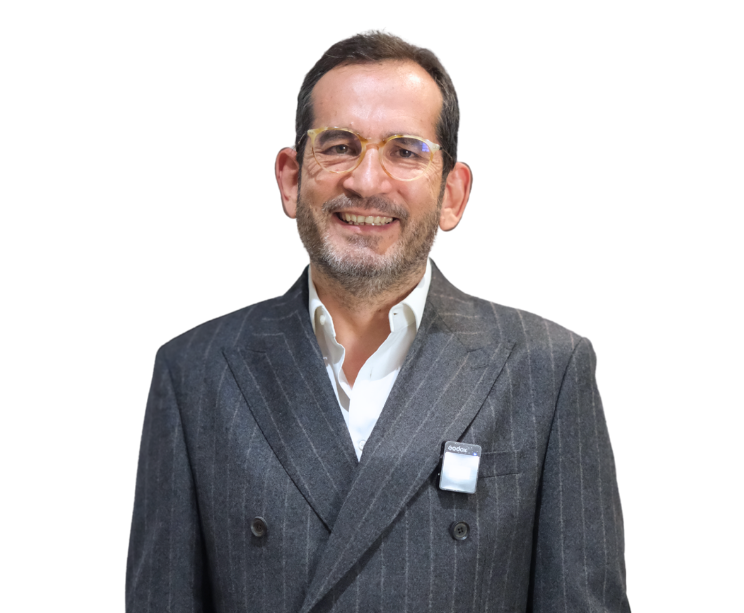
Associate Professor Dr. Ata Can
Assoc. Prof. Dr. Ata Can was born in Iran in 1973 and completed his primary and secondary education there.
He graduated from Pertevniyal High School in 1990.
He completed his medical education at İzmir Dokuz Eylül University Faculty of Medicine in 1996.
In 2001, he completed his specialization in Orthopedics and Traumatology at Cerrahpaşa Faculty of Medicine with his thesis on Pediatric Hip Fractures.
Between 2001 and 2007, he worked at Eyüp SSK, between 2007 and 2008 at Halk Bahat Hospital, and between 2009 and 2010 at Beylikdüzü Kolan Hospital. Since 2010, he has been working at NOMERK Nişantaşı Orthopedics Center together with Prof. Dr. Nejat Güney and Prof. Dr. Fahri Erdoğan.
Years of experience
Surgery
Implanted prostheses
Frequently Asked Questions
In general, bones may experience weakening, fractures, or loss of density with advancing age. The main causes of these bone diseases are nutrition, the patient’s lifestyle, and genetic background.
Common symptoms of bone diseases include:
Joint pain
Visible shrinkage of the bones
Redness or bruising on the skin surface over the bones
Cracking or popping sounds coming from the bones during movement
Curvature or deformities in the bones
Bones fracturing or dislocating very easily
Structural deformities in the shape of healthy bone tissue
Hip replacement is usually required due to hip osteoarthritis or hip deformities. Patients often come to us with severe pain and significantly reduced quality of daily life. When difficulties arise in walking, sitting, squatting, and climbing stairs, the joint is replaced with a prosthesis.
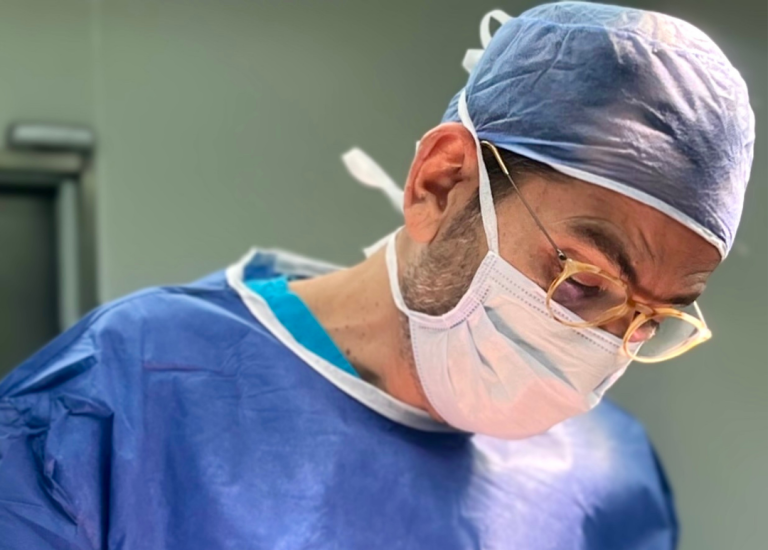
After selecting the most suitable prosthesis for the patient, we perform the surgery using minimally invasive techniques. On the evening of the surgery, the patient is able to stand up and walk, and within 2–3 days, they are discharged from the hospital.
Keeping our weight in balance not only helps protect us from chronic diseases but also plays an important role in fighting osteoarthritis. Losing weight both protects the knee joint and supports a balanced muscular system.
Joint osteoarthritis usually begins with pain and then leads to limited mobility and cartilage damage. The knee joints are among the most frequently damaged joints in our body. Excess weight means additional load on the joint, which leads to symptoms of arthritis such as inflammation, pain, swelling, and stiffness.
Congenital Hip Dislocation is a condition in which the head of the femur slips out of the socket where it should normally be located. If not diagnosed and treated early, it can lead to permanent disabilities.
Symptoms of Congenital Hip Dislocation
In children with a mild degree of dislocation, there may be no symptoms until they begin to walk. In such cases, the dislocation can often be detected during routine examinations by pediatricians.
Which Babies Are at Risk?
Babies who have a family history of hip dislocation (in parents or close relatives). This should always be reported to the doctor.
Babies born in a breech position or those who remained in a breech position (with their head upwards) until the end of pregnancy.
After surgery, it is necessary to follow the prescribed exercises for 12 weeks and avoid restricted movements. Loosening or dislocation of the hip prosthesis is usually seen between 5–10 years after surgery. Apart from that, it is more commonly observed in individuals aged 50 and above.
Symptoms of Hip Prosthesis Loosening or Dislocation
Pain is felt
Swelling occurs in the hip and thigh
Performing restricted movements can cause damage
Cracking sounds are heard, followed by severe pain
Difficulty walking
Shortening of the leg may be observed
Performing post-operative exercises becomes difficult
Appointment and Information Form
You can contact Assoc. Prof. Dr. Ata Can, Orthopedics and Traumatology Specialist, to ask your questions or to book an appointment.

