

What Are Fractures and Dislocations?
A fracture is the loss of continuity of the bone tissue caused by trauma, falls, or impact. It may occur as a crack in the bone or as a complete separation.
A dislocation occurs when the bones in a joint are displaced from their normal positions. It usually results from severe trauma, falls, or sudden strain.
How Are Fractures and Dislocations Diagnosed?
-
X-Ray:
The first preferred method for detecting fractures and dislocations. It provides a detailed evaluation of the condition of the bones.
-
Magnetic Resonance Imaging (MRI):
Used to examine muscles, ligaments, and other soft tissues. It is particularly preferred when there is suspicion of soft tissue injury along with a dislocation.
The diagnostic method is determined by the physician’s evaluation of the patient.
-
Closed Fracture:
The fractured bone remains under the skin and is not visible from the outside. -
Open Fracture:
The ends of the fractured bone pierce the skin and become exposed. It carries a risk of infection and requires emergency treatment.
Fracture Treatment Methods
-
Casting:
The fractured bones are immobilized to support the natural healing process. -
Open Reduction and Internal Fixation (ORIF):
The fracture fragments are surgically repositioned and fixed with materials such as screws or plates. -
External Fixation:
Stabilization is performed with external devices applied outside the body. -
Splint:
Used for temporary immobilization, especially in fractures with swelling.
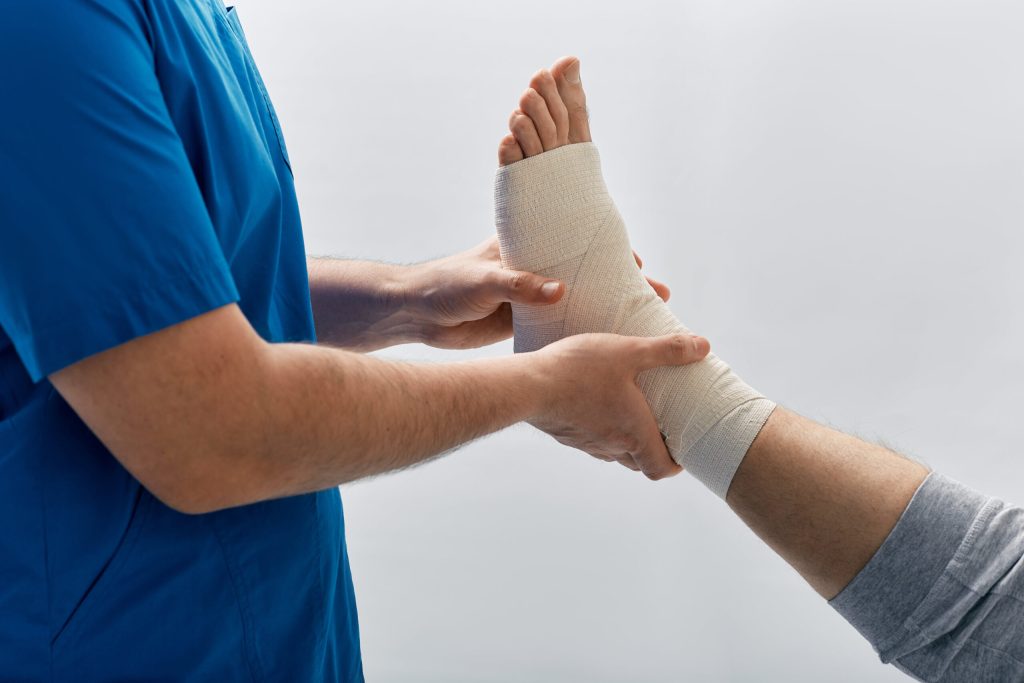
Dislocation Treatment Methods
-
Manual Reduction (Repositioning):
The dislocated bone is restored to its original position by maneuvers performed by the physician. -
Pain Relievers and Anti-Inflammatory Medications:
Used to control pain that may occur after treatment. -
Immobilization:
Support is provided with materials such as splints or casts to limit joint movement. -
Surgical Intervention:
Applied in cases of recurrent or complicated dislocations.
Healing Process in Fractures and Dislocations
The healing time of fractures and dislocations varies depending on the severity of the injury and the treatment applied.
Fractures: They usually heal within 4–12 weeks. Simple fractures recover in 4–6 weeks, while more severe fractures may take longer. Physical therapy may be required for complete recovery.
Dislocations: After repositioning, healing can occur within 3–6 weeks. During this period, it is important to keep the joint immobilized.
Points to Consider:
-
Splints, casts, and other immobilizers should be used regularly.
-
Physical therapy should not be neglected.
-
Pay attention to nutrition that supports bone health.
-
Follow-up check-ups should not be skipped.
Symptoms:
Sudden and severe pain is felt, which becomes more intense when the fractured or dislocated area is moved.
A noticeable swelling usually develops in the affected area, often accompanied by bruising and tenderness to touch.
It becomes difficult to move the injured area, and in some cases, movement may be completely restricted; the person struggles to use that part.
The normal shape of the bone or joint is disrupted, leading to a visible deformity.
Due to nerve involvement, symptoms such as numbness, tingling, or burning sensations may occur.
Attempting to move or put weight on the fractured or dislocated area increases the pain and causes significant discomfort.
Frequently Asked Questions:
- In a fracture, movement in the affected bone area is very difficult or impossible.
In a crack (hairline fracture), however, the bone continuity is preserved, so movement is still possible.
Severe pain, swelling and redness, loss of function, and joint deformity may be observed.
- The healing of a fractured bone varies between 45–95 days depending on the size, location of the fracture, and the age of the person. In some cases, this period may extend to 3–6 months. Bone healing occurs more quickly in children.
- Symptoms include severe pain with movement, deformity, inability to move the fractured area, swelling, and bruising.
The recovery period for a dislocation is approximately 12–16 weeks. In older individuals or those with joint and bone diseases, the healing process may take longer.
Contact US

Fill out the form on the side to receive free information about your orthopedic condition, and we’ll get back to you quickly.

